

 Language
 Language
Full of Nutrients and Minerals
The pink hue of this salt is due to its high mineral content, which includes calcium, magnesium, potassium, copper, and iron. These minerals are essential for our bodies to function properly and can help to improve overall health. The minerals in Himalayan pink salt are thought to help regulate blood pressure, improve digestion, and reduce inflammation.
01
Contains Detoxifying Properties to Help Clean and Soften Your Skin
One of the most notable health benefits of Himalayan pink salt is its ability to help detoxify the body and soften the skin. This special type of salt has a unique combination of minerals, including magnesium, calcium, and potassium, that help to stimulate circulation and detoxify the body. As a result, it can help to flush out toxins, reduce puffiness and bloating, and help keep your skin looking soft and healthy.
02
Aids Weight Loss by Expelling Excess Water from the Cells
The mineral content of this salt helps to expel excess water from the cells, which can help to reduce bloating and water retention. This can help to reduce overall body weight and can even help to reduce the appearance of cellulite.
03
Helps in the Management of Muscle Cramps
Muscle cramps are a common issue that can be caused by a variety of reasons, such as dehydration, electrolyte imbalance, and muscle fatigue. Himalayan pink salt helps to alleviate muscle cramps by providing a natural source of electrolytes that can help restore balance in the body. It also contains magnesium, which helps to relax muscles and reduce the frequency of cramping.
04
Enhance Blood Circulation
Improved blood circulation is essential for a healthy body. It helps to keep your organs functioning properly and can even reduce the risk of heart disease. Himalayan pink salt contains trace amounts of iron, which helps to increase the blood's oxygen-carrying capacity. This can help to reduce the risk of cardiovascular disease and other illnesses associated with poor blood circulation.
05
Pink Himalayan salt has several dietary and non-dietary uses.
In general, you can cook with pink Himalayan salt just like you would with regular table salt. Put it in sauces and marinades or add it to your food at the dinner table.
Some people even use pink Himalayan salt as a cooking surface. Large blocks of the salt can be purchased and used to grill, sear and impart a salty flavor to meats and other foods.
Pink Himalayan salt can be purchased finely ground just like regular table salt, but it is not uncommon to also find coarse varieties sold in larger crystal sizes.
Whenever you're measuring any kind of salt by volume, it's important to consider how finely it's ground.
You may need to use larger quantities of coarse salt to match the saltiness of finely ground salt. This is because finely ground salt is packed closer together than coarse salt, so there's more of it in a particular volume.
For example, 1 teaspoon of any type of finely ground salt may contain around 2,300 mg of sodium, while 1 teaspoon of coarse salt will vary based on crystal size but could contain less than 2,000 mg of sodium.
Furthermore, pink Himalayan salt contains slightly less sodium chloride than regular table salt, which you may need to account for when cooking.
Current dietary guidelines in the US recommend that most adults consume no more than 2,300 mg of sodium per day. This is equal to around 1 teaspoon (6 grams) of finely ground salt (5Trusted Source).
However, when you're using pink Himalayan salt, it's best to check the nutrition label, as sodium content can vary widely, depending on the brand.
While pink Himalayan salt has several dietary uses, there are also a number of popular non-dietary uses.
Pink Himalayan salt is used in some bath salts, which claim to improve skin conditions and soothe sore muscles.
Salt lamps are also often made out of pink Himalayan salt and claimed to remove air pollutants. These lamps consist of large blocks of salt with an inner light source that heats the salt.
Additionally, spending time in man-made salt caves formed out of pink Himalayan salt is popular among people seeking to improve skin and respiratory problems.
But the research supporting these three non-dietary uses of pink Himalayan salt is relatively weak. More studies are needed to confirm these claims.

Himalayan Pink Salt: A Brief History
Below is a spectral analysis of Himalayan pink salt as it is typically found, reveals the wealth of natural elements it contains. The list is derived from a variety of analysis techniques deployed in order to fully identify all the trace minerals, electrolytes, and elements contained in a typical sample of Himalayan salt.
Himalayan pink salt is recognized for its distinctive color, flavor, and mineral content. I personally love Himalayan salt for many culinary and curative uses. In particular, I love that it can be ground down to virtually any size crystal grain, from a fine powder that's great on popcorn to medium grains that can be measured easily for recipes to coarse grains that are great for a salt grinder.
Himalayan salt is extracted from salt deposits in Salt Range of Pakistan. The salt deposits formed between 600 million and 800 million years ago. They are the most extensive salt deposits in the world, and possibly the oldest. The area where the Salt Range is now located was once covered by a shallow salty sea. High temperatures and low rainfall led to the gradual evaporation of the sea, leaving behind layers of salt and other sediment that were in turn were covered by layers of other sedimentary rocks like limestone and sandstone before tectonic activity thrust the plate deep under the earth. Salt acts a lot like a liquid under high pressure, so as it was compressed by the rock above, it formed big blobs that go hundreds or even thousands of feet thick called salt domes.
The formation containing what we now call Himalayan pink salt were later uplifted by tectonic activity, exposing the salt deposits to the surface where they were discovered about 2000 years ago by Alexander the Great. But nothing came of it until… (as legend has it) the Moghul emperor Akbar the Great re-discovered a deposit on a hunting expedition and opened the Khewra Salt Mine, creating a great source of revenue to the empire and now the largest and oldest salt mine in Pakistan.
Himalayan pink salt is mined using a "room and pillar” method, which involves drilling shafts into the ground and excavating large chambers around the salt deposit, leaving enough pillars of salt in place to keep the deposit from collapsing. The large salt rocks are then hauled to workshops where the are broken up and mechanically ground and screened to the desired crystal grain size, or worked into various shapes such as lamps, blocks, platters, and even shot glasses.

Himalayan Salt Block Cleaning & Care
To clean your Himalayan salt block, wipe with a clean, damp cloth or paper towel and remove any remaining food bits. Avoid running your natural salt block under water or submerging in water, as any remaining moisture in the salt slab can cause breakage upon heating. Be sure to let your salt slab dry for at least 24 hours after exposure to any moisture. There is no need to use soap or detergent on your Himalayan salt slab, as it is naturally anti-fungal and anti-microbial. You may wish to freshen your salt block with a bit of lemon juice from time to time.
Note that the appearance of your Himalayan salt slab will change over time. The more varieties of foods you cook and serve on your salt plate, the more likely the surface will acquire various, interesting new colors and shades. This merely adds to the irregular beauty of the Himalayan salt slab. Your salt block may also develop small fissures and cracks over time; this is typical with regular use. When the salt block finally gets too small for cooking or serving on, it will be a perfect size to grate over your food, break up for making soup, or even to throw into your tub for a detoxifying salt bath.
What are the benefits of pink Himalayan salt for skin care
Himalayan salt can be used in a number of different ways to benefit the skin. It can be used as an exfoliant, cleanser, or toner. It is also believed to help improve circulation and detoxify the skin. This salt can be used to treat a variety of skin conditions, including acne, eczema, psoriasis, and even dandruff. The salt helps to exfoliate the skin and remove dead skin cells. It also balances the pH levels of the skin and provides it with essential minerals. It can also be used as a facial scrub to help improve the complexion of the skin.Here is the list of surprising benefits for the skin:
Exfoliate the skin. It is a brilliant natural exfoliator as it helps to slough away dead skin cells, revealing the fresh and glowing skin beneath. Whilst regular salt can be drying, the minerals in Himalayan salt help to restore deep hydration to the skin.
Reduces acne breakouts. Magnesium rich salt helps restore balance to your skin's pH level, aiding in the prevention of acne and other skin issues. Its exfoliating properties help to clear out dirt and bacteria that can clog pores, reducing the risk for breakouts.
Brightens skin tone. Himalayan salt contains essential minerals that brighten your complexion by stimulating circulation in the underlying layers of your skin. Not only does this improve blood flow, but it also helps to bring out a natural glow to your face.
Nourishes skin cells. This salt is packed with vital nutrients like calcium, magnesium and potassium which are essential for healthy skin cell regeneration. This helps keep your skin looking young and radiant!
Soothes inflammation. The minerals found in Himalayan salt help to reduce swelling and irritation caused by inflammation. This can be especially beneficial for those with sensitive skin who are prone to redness.
Detoxifies skin. Himalayan salt is a natural detoxifier and helps to draw out impurities from the skin, leaving it feeling clean and refreshed. It's especially great for people who suffer from oily skin or acne-prone complexions.
Fights aging signs. The mineral content in Himalayan salt has antioxidant properties that help protect your skin from free radical damage which can cause premature aging signs like wrinkles and fine lines.
Exfoliates dead skin cells. Himalayan salt is an excellent exfoliator, as its grainy texture helps to slough away dead skin cells and debris that can clog up pores. Regular exfoliation is essential for keeping your skin looking radiant and healthy.
Hydrates the skin. Himalayan salt has a unique ability to attract and retain moisture, making it great for those with dry or dehydrated skin. It helps to lock in hydration and give your complexion an instant boost of radiance.
Prevents pore clogging. The minerals in Himalayan salt also help to prevent pore-clogging impurities like dirt and oil from building up on the surface of your skin which can lead to breakouts
Reduces irritation and inflammation. Being naturally rich in minerals, this salt helps reduce any redness, itching, or discomfort caused by irritants or inflammation. This makes it great for those with sensitive skin or conditions like eczema.
Himalayan salt is believed to help improve circulation. Exfoliation stimulates blood flow, which can help to improve circulation. Not only does exfoliation stimulate blood flow for an immediate rosy complexion, but it also boosts collagen production over time. This is significant because collagen helps to keep our skin looking youthful by reducing sagging and wrinkles.
Himalayan pink salt can help to soothe skin conditions such as eczema and psoriasis. Eczema and psoriasis are two of the most common skin issues, and sadly, there is no cure. However, the anti-inflammatory and antibacterial properties of pink salt can help to provide some relief.

Pink Himalaya salts are produced in Punjab. The salts are primarily located at the Himalaya foothills of the Punjab Province of Pakistan. Ancient ocean sediments have created saltbeds that today contain rock salts. Himalaya salt is considered to be beneficial in the treatment of respiratory problems, as well as purifier seasoning and beneficial in asthma treatment. Like any trending ingredient, the idea of taking the information you hear with some caution is important.
Salt for the last few years, and now you're wondering, is it really better than sea salt or table salt? How does it benefit my body vs those other salts? Well, it is packed with some pretty amazing benefits, making it a wonderful alternative to table salt and an exciting new staple to add to your pantry.
Himalayan salt is a natural, unrefined salt that contains more than 84 minerals. It's said to be the purest form of salt available, making it a popular choice for those who want to avoid additives and chemicals. Pink Himalayan salt can be used in many different ways, including in cooking, as a natural beauty treatment, and as a way to relax and de-stress. It can also be purchased online or in natural health stores. Some people add Himalayan salt to their beauty routine by using it as a natural exfoliant or skin detoxifier. Others use it in the kitchen to add flavour to meals or as a natural way to preserve food. Himalayan pink salt lamps are also popular, as they're said to help purify the air and create a calming atmosphere. Whether you use it for culinary, beauty, or wellness purposes, Himalayan salt can be a great addition to your life.
As Himalayan salt is becoming more popular on the market, it's important to know how to determine the purity of the salt.
The process of producing Himalayan salt is an all-natural, environmentally friendly mineral mining.
Salt deposits are mined from the ancient sea beds and then hand cut into blocks to be transported by truck or train.
Once at its destination, it can either be ground in a rock crusher or machine grinder for table use, or heated until crystals form for cooking purposes.
While both methods produce pure Himalayan salt with 100% trace minerals intact, only one method is chemical-free: the latter method uses no heat whatsoever during production; just the natural evaporation that occurs within their hot climate naturally crystallizes the product!
This means you're consuming nothing but unadulterated, completely natural food-grade quality. Another way to tell if your Himalayan salt is real is to see if it moistens. Pure Himalayan salt absorbs moisture in the air that's why it should be kept in dry areas.


Choosing the best Himalayan salt entirely depends on your needs. If you are looking for a salt to cook with, then it is best not to purchase an expensive Himalayan salt. If you need Himalayan pink salt for stress relief or health benefits, then make sure that the product has high levels of minerals like potassium and magnesium.
Some people choose organic salts over non-organic ones because they believe in natural products more than processed ones; others think about taste differences as well when making their decision on which brand to buy.
It's important before purchasing any Himalayan pink salt that the user understands what he/she needs so they can find the perfect one for them!
Location of Himalayan Salt
The Location of Himalayan Salt's Origin Pakistan is the sole source of Himalayan pink salt. We have been working with a respected, FDA-registered supplier to ensure that we have total control over the raw salt that we distribute to our clients.
Salt extracted from mines and transferred to a state-of-the-art salt processing plant in sealed superbugs. All secondary processing and packaging of salt products are always done utilizing unique technology, equipment, and highly qualified salt experts in order to meet rigorous Food Safety and quality requirements.
Salt analysis ensures that the Himalayan pink salt is the purest and most consistent available.
Adhere to the safety standards
Manufacturers, suppliers, co-packers, retailers, and consumers all benefit from the use of Pink Salt Processing Technology and solutions. Companies that produce or prepare food must abide by rules set out by the industry as well as be audited by independent third parties. For whatever reason, merchants and suppliers typically do not have to adhere to the same standards of quality and safety as manufacturers.
All of our customers receive the same high-quality salt regardless of where they are in their respective businesses. Supply chain, equipment, procedures, and packaging are never sacrificed for cost-cutting.
Examination of salt grains
There are sifters, aspirators, the strongest rare-earth magnetic in the business, de-dusting machines, and chemical analysis and metal detectors in the salt processing system. Without the use of any chemicals or processing agents, these methods examine every grain of salt that enters the facility to remove insoluble debris, foreign contaminants, and crystals that do not satisfy tight criteria.
The high-definition cameras evaluate salt crystals in free fall using the complete color spectrum, unlike earlier technology frequently utilized in the industry. If there are any components that seem like salt but are actually rocks or clay particles or crystals that do not fulfill the color and quality standards, the system will eliminate them.
Observing salt crystals and other items on a conveyor belt
We examine every aspect of a material's properties as it is falling through the air in free fall. Additionally, we can recognize and reject crystals of salt that have minor flaws and inclusions of stone or clay. Crystals with only a single side or a tiny fraction of the salt grain affected by these inclusions may still be inspected by the less sophisticated processing equipment.
Dedusting process
Dust is naturally present in Himalayan salt when it is extracted from the ground. Finely powdered salt and other finely ground materials make up this powder. Salt from the Himalayas that has been improperly prepared or of lower quality may contain dust. Simple visual and taste tests may be used to tell it apart from other items in a container.
The problem is that without adequate chemical analysis or de-dusting, it is hard to tell what that dust powder includes or completely separate it from the salt. Powder cannot be cleaned either. Using a sifter and dedusting process, we make certain that only the purest, most uniform salt grains are packed and sent to our consumers.
High-Quality salt produced
You cannot tell the difference between a dark bit of Himalayan salt and a dark piece of clay without this color sorter. Sifting or aspirating will not remove salt crystals and clay or stone that are almost the same size and density.
The quality of Himalayan pink salt is not the same across the world.
Himalayan salt that has been improperly prepared elsewhere before being imported directly by commodity importers and other providers was of much poorer quality.
Reduced food safety is a side effect of worse prices and lower quality. Impurities, insoluble, and inedible elements, such as metal shards, rock or stone fragments, clay particles, dust, and powder made of finely crushed salt and other organic material, may present non crudely processed Himalayan pink salt.
Inferiority Salt shakers and salt grinders get clogged and even shatter when Himalayan salt is used because of the clay particles or dust in the salt.
It takes a variety of equipment to detect and separate the many types of insoluble, inedible, and unwanted elements from the salt, which is why a comprehensive, multi-step processing system is needed to do so.
Clay and stone that are the same size as salt crystals cannot be sorted away, for example. They will all pass screening if they have the same height and weight.
The salt's flavor might be affected by the powder's composition. Pink salt's performance in salt shakers and grinders may suffer as a result of its greater clumping susceptibility. Because we manufacture Himalayan Salt, we can guarantee its authenticity and cleanliness.
Our company has more than 7000 square meters product processing area . We have two departments: raw material processing department and mineral products deep processing Department.


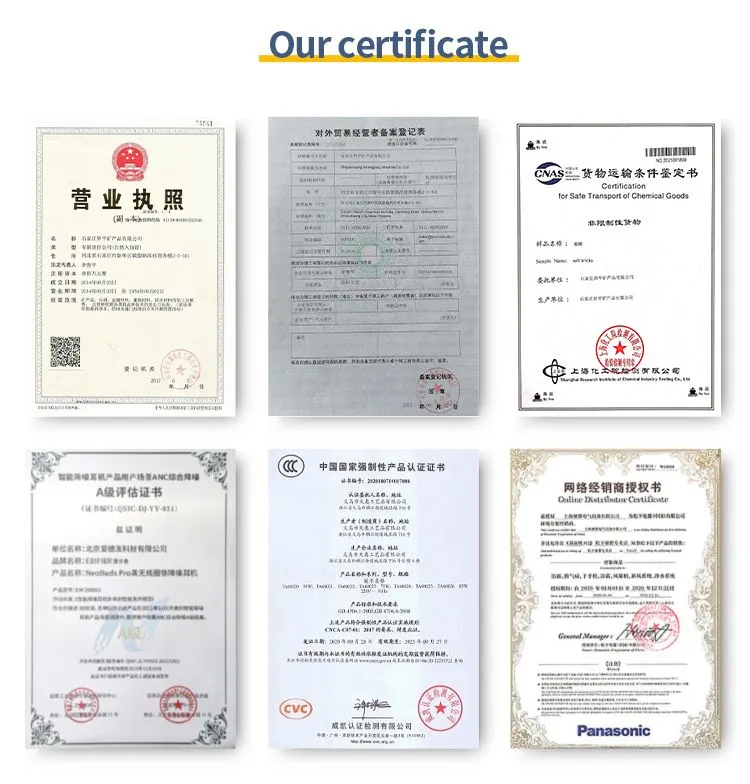
We're professional himalayan salt product manufacturers and suppliers in China, specialized in providing high quality customized service. We warmly welcome you to wholesale high-grade himalayan salt product in stock here from our factory.
heart shape himalayan salt candle holder, pink himalayan salt candle holder, Resin Epoxy Flakes(0/10)
