

 Language
 Language
The mineral kaolinite primarily makes up kaolin. Depending on its source, kaolin also contains various other minerals, including muscovite, quartz, feldspar and anatase. When kaolin comes out of the earth, it's naturally bright white, but may have a yellow or rust-colored stain due to its exposure to iron oxide. Kaolin's natural state is as a powder, and its texture is soft.
Below are other kaolin clay properties.
Chemistry: In its natural mineral state, kaolin's chemical formula is Al2Si2O5(OH)4. Kaolinite is an aluminum silicate mineral that develops through chemical weather of aluminum rich feldspars contained in granites and pegmatites.
Structure: Kaolin composition consists of hexagonal crystals ranging in size from 0.1 to 10 micrometers. These crystals form in stacked layers, and this kaolinite structure partially gives the clay its desirable properties.
Due to kaolin's chemical and structural composition, its natural properties are highly desirable for industrial uses.
Chemically inert: Kaolin has a neutral pH level, making it ideal for use in pharmaceuticals, cosmetics, and industrial mixtures because it doesn't alter the product's chemical composition, or promote bacterial growth.
Adsorbent: One of kaolin clay's primary uses is to aid in the adsorption of other substances. Kaolin clay is naturally highly adsorbent, so it can help extract and remove undesirable impurities, pathogens or other substances in any given mixture or application.
Non-swelling: Between each layer of kaolinite crystals are hydrogen bonds that prevent water molecules from infiltrating the layers. This ability to prevent water from penetrating kaolin's crystal structure gives it non-swelling properties. Non-swelling is a valuable property of additives like kaolin, so they don't alter the physical properties of the mixture or product in question.
Uses of kaolin clay
Kaolin clay in ceramics
What is kaolin used for? One of the most prevalent industrial uses of kaolin is in manufacturing ceramics, porcelain ware and floor or wall tiles. Because of its ideal properties for ceramic manufacturing, some people call kaolin clay china clay for its role in producing whiteware. Kaolin clay has a high fusion temperature, and its naturally bright white color makes it useful for manufacturing pure white ceramics, porcelain, china, sanitary ware and kaolin pottery.
Because kaolin contains low concentrations of iron or alkalis, it is ideal for use in various forms of ceramics. When producing ceramics and whiteware, manufacturers usually combine kaolin with additional silica and feldspar, along with a small amount of another type of clay called ball clay, which is a plastic light-burning clay. The combination of kaolin and other ingredients allows ceramic manufacturers to achieve the ideal plasticity, shrinkage, vitrification and other processes to properly shape and heat the ware. Kaolin offers high dry strength, meaning that as an additive, it helps reinforce and strengthen the final product, which is crucial in manufacturing ceramic ware.
Kaolin in concrete and cement
Traditionally, concrete products consist of a mixture of Portland cement, water and aggregates, like gravel, sand or silica. Depending on their proprietary blends, concrete producers may use other aggregates or fillers to give their mixture additional properties that make it useful for other products, including building supplies.
Kaolin is a popular additive product to use in concrete mixtures because it is a silicate mineral, which is necessary for giving concrete its required properties. Kaolin clay is becoming more desirable in the construction industry because of its ability to provide bright white coloring to cement mixtures. As a concrete mix additive, kaolin is also ideal because it is chemically inert and will have minimal effect on the formula's chemical or physical properties. It also helps increase the strength and durability of concrete or cement materials.
Kaolin is also desirable in cement systems because of its high pozzolanic activity, which is its ability to react with Portland cement. In other words, it can accelerate the hydration of the Portland cement in the concrete mix. Kaolin behaves as a superfiller, packing its fine particles into the cement matrix and improving its density. Studies have found that compared to other silica minerals, using kaolin clay in cement enhances the concrete products' mechanical properties, including increasing their compressive strength.
Kaolin in paper and board production
The paper and board production industry is continuously innovating to deliver high-quality products with enhanced brightness, gloss, opacity and surface quality for better printing. Manufacturers also need eco-friendly, recyclable and environmentally viable products, including reducing the necessity for extreme water consumption.
Paper and board production facilities rely on kaolin clay as control agents that reduce water consumption and pollution. Kaolin helps improve the cost-effectiveness and eco-friendliness of conventional pulp and paper processes, leading to cleaner and higher-quality pulp and paper. As a particulate filler, it fills and coats paper products to improve their smoothness, gloss and printability. Not only does kaolin help make more attractive paper, but it can also extend fiber and improve the products' overall longevity, durability and strength.
Kaolin's natural crystal size, shape and structural distribution make it an exceptional filling and coating product. Compared to other mineral fillers that decrease in strength as they become smaller, kaolin doesn't lose its strength effects as its particle size decreases.


Kaolin Clay Gently Cleanses
Contrary to the typical cleansers offered by mainstream skincare companies, which are typically in some sort of gel or cream form, kaolin clay is one of nature's best cleansers! It's mild enough for sensitive skin while still providing a thorough cleanse. It deep cleans and absorbs impurities without the use of irritating foaming agents or common cleansing ingredients that can strip skin, leaving it feeling irritated and tight. With regular use, kaolin clay helps improve the look of tired, dull skin and gently works to reveal a brighter, smoother looking complexion. Some studies even found that it has the ability to reduce the appearance of fine lines and wrinkles.
Kaolin Clay Absorbs Excess Oil
Skin naturally produces oil to keep it healthy, moisturized and protected from environmental aggressors. However, when your skin overproduces oil (which can be a result of using drying skincare products) it can lead to clogged pores and blemishes. If you're looking for a natural way to combat excess oil production without stripping the skin or leaving it dry and flaky, kaolin clay is an excellent option. It's mild enough for sensitive skin types while still being effective in helping to balance oil production with consistent use.
Kaolin Clay Reduces the Look of Blackheads and Pores
Everyone has looked in the mirror at one point and noticed clogged pores, which can look like tiny black dots. Everyday products and factors like makeup, sunscreen, as well as city grime, dead skin cells can accumulate on the skin and result in clogged pores. Luckily, kaolin clay is perfect for deep cleaning pores and reducing the look of blackheads. Consistent use can reduce blackheads and make pores appear smaller.
★You cannot change the size of your pores but it is possible to make them appear smaller by using pore cleansing products that absorb black heads, such as clay masks.
Kaolin Clay Acts As A Gentle Acne-Fighter
Kaolin clay is an excellent choice for acne and the resulting irritation that accompanies it. Kaolin clay absorbs impurities and excess oil that can clog pores and lead to breakouts, all without irritating the skin or causing imbalances that are responsble for the vicious cycle many people get stuck in when using traditional acne treatments. Repeated use of clay rich in skin beneficial minerals can reduce the appearance of redness and irritation – while leaving the skin's microbiome balanced.
Kaolin Clay Can Be Used For Sensitive & Dry Skin
Negatively charged clay binds to positively charged free radicals and toxins. It also absorbs dead skin cells and impurities, without disturbing healthy skin. Kaolin clay can be a calming treat for sensitive skin, especially if prone to acne. By gently removing surface impurities, excess dirt, and pollution that can cause irritation, kaolin clay is a natural alternative to harsh exfoliating acids and cleansers. It's been used throughout history as a topical treatment for a variety of skin concerns, including bug bites.
★If you have sensitive skin its always best to do a patch test to ensure skin compatibility. It's recommended that you apply a small amount of the product or ingredient in question to a discreet area such as the inside of your elbow or side of your neck. Then wait 24 hours to look for signs of redness or irritation.
Kaolin Clay Provides Gentle Exfoliation
When it comes to a good exfoliator, you want to find a formula that's going to improve your skin texture by sloughing away dead skin cells and pollution buildup – without leaving your skin feeling tight and dry. Because of its slightly grainy texture, kaolin clay acts as a gentle exfoliant by helping to cleanse the dirt and impurities your skin comes into contact with throughout the day – leaving you with a soft and smooth complexion.
Kaolin Clay Naturally Brightens The Look Of Skin
Using a clay mask weekly helps to remove buildup of dead skin and impurities, which can make your skin tone appear uneven and dull if left to accumulate. When you remove these impurities from the top layer of your skin, your skin's ability to reflect light is improved and in return it appears brighter and more even-toned. Causes for dull skin can also be the result of lack of sleep, poor nutrition, using the wrong skin care products, excess alcohol or dehydration. If you're looking to achieve a brighter, healthy-looking complexion, using the correct skincare products for your unique skin needs is just as important as a proper diet. Because of its gentle exfoliating and cleansing properties, kaolin clay acts as a natural skin brightening ingredient. Regular use of kaolin clay also helps skin to appear brighter by gently increasing circulation, which promotes a natural glow. Plus, it keeps blemishes and clogged pores at bay. It may even help to minimize the look of redness and irritation, which improves the overall appearance of skin tone.
Dry Skin Types: Kaolin clay is gentle enough to use on dry skin. It helps to remove flaky skin, impurities from pores and excess oil – all without leaving skin feeling stripped of its natural oils.
Oily Skin Types: Kaolin clay is a great way to combat excess oil production without having to resort to harsh cleansers or exfoliating acids.
Sensitive Skin Types: Kaolin clay is one of the most gentle clays for skincare and its inherent properties make it ideal for skin in need of a gentle pore cleansing mask or exfoliant.
Acne-Prone Skin Types: Kaolin clay absorbs dirt along with the bacteria and other pore-clogging impurities contained within it, making it an uphill battle for blemishes.

However, just looking for “clay” on the ingredient list doesn't tell you everything you need to know about its benefits.
There are many types of clay used for various kinds of skin care products, but we're going to focus specifically on just two. Kaolin clay vs. Bentonite clay — what's the difference, and which is better.
I've always wondered, why is clay used in skin care
Clay has been a popular skin care ingredient for hundreds of years, and it continues to be found in a wide variety of different skin care products. But why is it used, and what makes it so popular?
For people looking for ways to purify, cleanse and detoxify their skin, clay offers a more natural way to do that. In general, clay is used for its absorbent properties. It is said to pull toxins, oil and other debris out of the skin so that you can rinse them right off the skin.
The result is more clear, clean and balanced skin.
All about kaolin clay
Kaolin clay is a mild type of clay made up of a mineral known as kaolinite, which can be found all over the globe. You may also see it referred to as white clay.
The original kaolin clay was harvested from a hill in China, Kao-ling, which was the only source of the clay for hundreds of years. However, kaolin clay now comes from multiple sources, including the United States, Brazil, China and Pakistan.
Kaolin clay is known for being very finely powdered, soft and usually off-white or pink in color.
The clay is composed of tiny minerals and crystals (including feldspar, quartz, silica, copper, magnesium and zinc). It has a relatively neutral pH level of around 4.5, which is close to the skin's natural pH of 5.5.
Other names for kaolin clay
There are a few other names you may see kaolin clay listed under on an ingredient list. Although these are “subcategories” of kaolin clay, each effectively works the same way.
BRAZILIAN CLAY: This type of kaolin clay is brighter and has slightly more absorbent properties than regular kaolin.
ROSE CLAY: With the same delicate texture as standard kaolin clay, rose clay offers many benefits, with a slightly deeper pink color.
The benefits of kaolin clay
Kaolin clay is one of the most gentle types of clay, making it excellent for sensitive-skinned people. Because it also tends to absorb less liquid and oil than other types of clay, people with dryer skin can use it without fewer side effects.
However, that doesn't mean that it's less effective at giving the skin a deep cleanse. Here are a few additional benefits of kaolin clay:
Absorbs excess oil (sebum) without affecting the skin's natural oil level
Helps to keep the pores unclogged
Removes dirt and other impurities from the skin's surface
Can soothe irritated skin and reduce redness
Evens out skin tone and complexion
Can help you maintain a balanced pH level
All about bentonite clay
Bentonite clay, also known as calcium bentonite clay, comes from volcanic ash and is manufactured mainly in the United States. Its name comes from the primary bentonite clay producer in the U.S., volcano-rich Fort Benton, Montana.
Bentonite clay is cost-effective, although it is far more intense for the skin than kaolin clay. However, bentonite clay has a much higher pH level than kaolin clay.
While kaolin clay is close to the skin's natural pH of 5.5, bentonite clay sits at around 8.5. This makes it slightly more “basic” on the pH scale, which can help people open their pores even further to accept more product.
The benefits of bentonite clay
As opposed to kaolin clay, bentonite clay has powerful oil absorption properties. It is believed that this type of clay can absorb more than its own body mass in water. That makes it an excellent ingredient for people with extremely oily skin.
Other benefits of bentonite clay include
Strips oil from the skin's surface
Helps with detoxifying the skin
May have antibacterial properties to help reduce the risk of breakouts
Supports overall skin health
Kaolin clay vs. bentonite clay — which is better
Although deciding which clay to use comes down to your personal skin care needs, we think kaolin clay is more beneficial. Why? We put kaolin clay on top because it's more gentle and accessible for all skin types, so you don't need to worry about how your skin may react.
Kaolin is a clay mineral commonly used in various industrial applications, such as paper manufacturing, ceramics, rubber, plastics, paint, and cosmetics. The processing of kaolin involves several steps to extract and refine the mineral for its desired applications.

Mining: Kaolin deposits are typically found near the earth's surface and extracted through open-pit or underground mining. The ore is removed using heavy machinery, such as bulldozers, draglines, or power shovels.
Blunging: The mined kaolin ore is then transported to a processing plant, which is crushed and mixed with water to form a slurry. This process is called blunging, which helps to disperse the particles and produce a homogenous mixture.
Degritting: The slurry is passed through screens to remove larger particles and impurities, such as stones and twigs. This step is known as degritting and helps to achieve a more refined kaolin product.
Magnetic separation: The slurry is passed through magnetic separators to remove iron and other magnetic impurities. These separators use magnetic force to attract and remove the particles containing iron contaminants.
Froth flotation: Froth flotation separates the kaolin particles based on their surface properties. Chemical reagents are added to the slurry to selectively attach to and float the kaolin particles while leaving behind the impurities. The froth containing the kaolin particles is then skimmed off and dried.
Drying: The wet kaolin concentrate obtained from froth flotation is then dried using various methods, such as spray drying, rotary kiln drying, or flash drying. This helps to remove the remaining moisture from the kaolin and produce a dry powder or granular product.
Calcination: Some applications require the kaolin to be calcined or heated at high temperatures. This process helps to improve the kaolin's brightness, whiteness, and other properties. The calcined kaolin is then cooled and further processed as needed.
Particle size classification: Depending on the desired particle size distribution, the processed kaolin may undergo further classification using screens or air classifiers. This helps to separate the kaolin into different-size fractions for specific applications.
Packaging and shipment: The final kaolin product is packaged into bags, bulk containers, or tankers, depending on the customer's requirements. It is then shipped to various industries for use in their respective applications.
Overall, kaolin processing involves a series of steps to extract, refine, and prepare the mineral for its intended applications. These processes help to ensure that the kaolin meets the desired specifications and quality standards.
Our company has more than 7000 square meters product processing area . We have two departments: raw material processing department and mineral products deep processing Department.


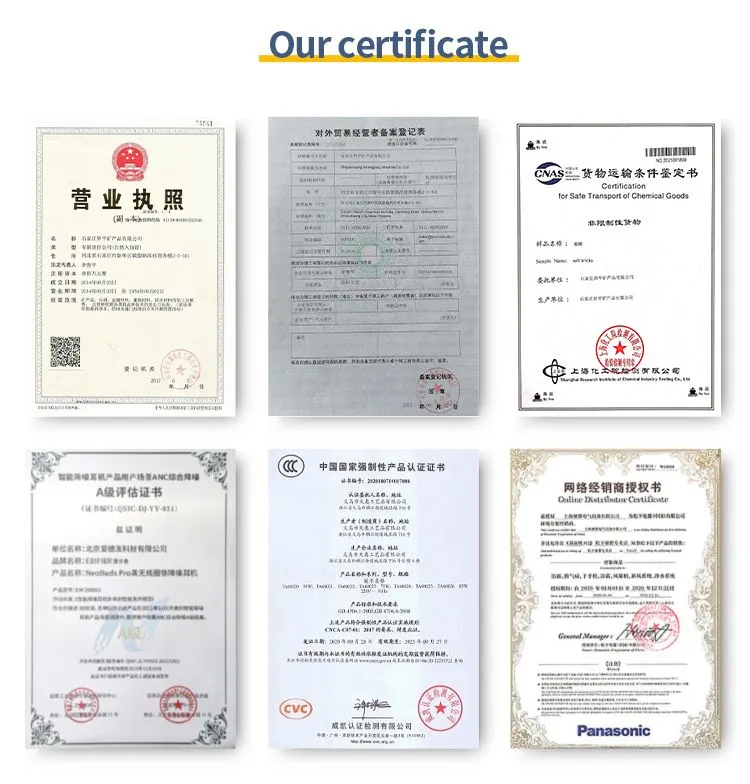
We're professional kaolin clay manufacturers and suppliers in China, specialized in providing high quality customized service. We warmly welcome you to wholesale high-grade kaolin clay in stock here from our factory.
himalayan salt bricks for walls, kaolin in pieces, himalayan salt bricks for salt room and spa wall(0/10)
