
Industrial silica is used in a wide range of fields, the most important of which are:
Industrial scale: The use of silica in the industrial scale dates back to about five thousand years BC. This material has continued to support industrial development throughout human history until it became a basic material in many industrial applications, the most important of which are:
Glass, ceramics and abrasives.
Foundries, construction and chemical industries.
Paints, plastics and rubber.
Water filtration.
Anti-caking food additive.
A way to control the viscosity of drinks.
Anti-foaming agent and dough modifier.
Excipient in medicines and vitamins (a binding agent that allows crushed medicines to be made into pills).
Animal feed, agrochemical industry.
Adhesives, printing inks, cosmetics.
Agricultural Scope: Most of the silica products on the market can be applied as root feed or as foliar spray. Plants can absorb much more through foliar feeding than simply sucking through the root zone. Silica is also known to prevent powdery mildew when used as a foliar spray. Silica improves the plant's ability to survive and even thrive in high salinity areas. It also improves plant photosynthesis and aids plant uptake of nitrogen, phosphorous, potassium, zinc and molybdenum.
Technological scope: Today, silica contributes to the information-technology revolution by using it in plastics for computer mice, and silica is the main raw material for silicon chips used in the field of electronics, where solar collectors, transistors, optical fibers and other industrial devices and materials are made.
Medical scope: Silica can be used to treat some chronic diseases and relieve their symptoms, because silica originates from rocks and contains many elements and materials that strengthen body parts, and silica can be used to treat diseases of the immune system, colds, ear infections, influenza, and skin problems. , bone fractures, peeling lips, and is used to strengthen nails also, and mastitis that may affect nursing mothers.
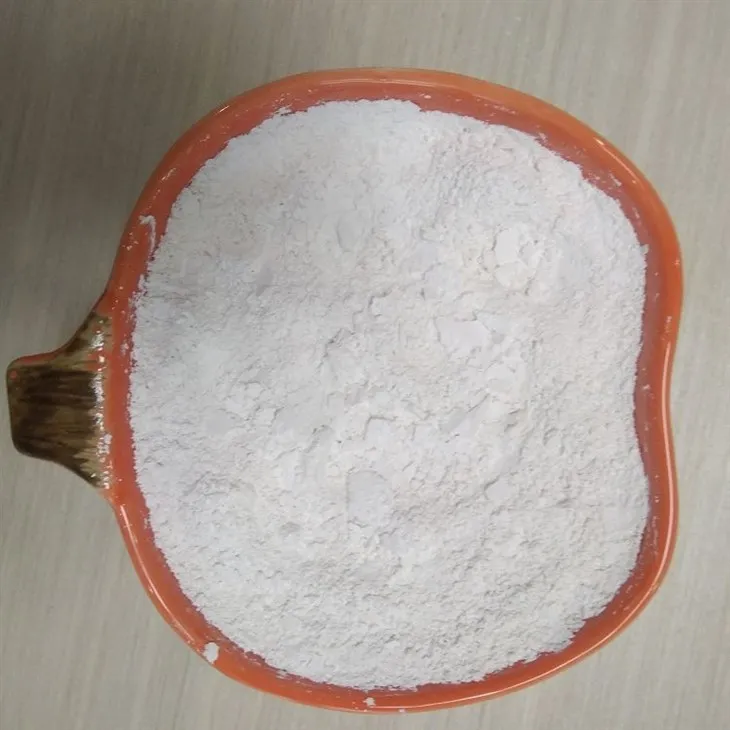
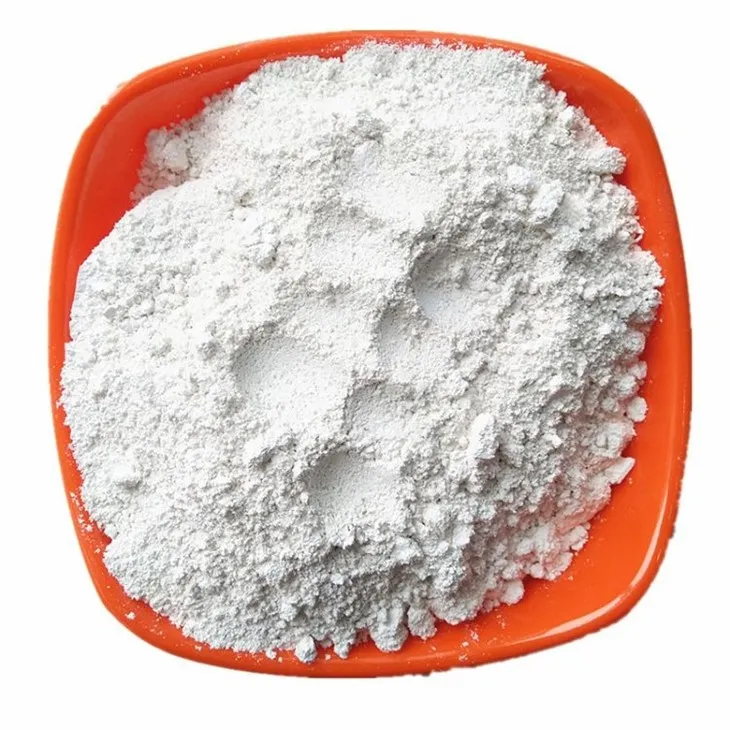
Silica powder properties and benefits, Micro Silica, known as Silica Powder, also known as silica flour, is a by-product of silicon metal or silicon iron in arc furnaces, which is obtained from smoke rising through the furnace chimneys through condensation, collected from flue gases from arc furnaces. It is a severe reactive powder and very important for the concrete industry.
Silicon dioxide accounts for about 90% of the composition of silica powder, and its molecules are spherical and super-smooth, so that they are about 100 times softer than cement. Part of the cement material used in the concrete mixture can be replaced by silica powder at 7-15% of its weight.
Silica powder properties and benefits:
Properties of silica powder
Silica powder is a very soft material, consisting of amorphous silica produced as a secondary product of silicon or viral silicon alloys.
Areas of use of silica powder
It can be used in several areas for cement products such as concrete, special color, as well as in the manufacture of some flexible plastics, polymer, ceramics and some rubber applications.
Silica powder is used more projects where durability and strength are the main concern.
Silica powder-based industries
Silica powder is one of the most important materials used in the manufacturing of building material chemicals, glass industry of various types and the manufacture of pigments, in addition to many other industries. As a result of the increased demand and the entry of silica sand powder in many industries, it is necessary to convert silica sand into silica powder.
Benefits of silica powder
Increase the strength of concrete
Sulphate resistance
Mechanical corrosion resistance

By now, all construction companies should be in compliance with new regulations regarding crystalline silica dust on construction sites. But, what is silica dust? Here are 5 things you need to know:
Oxygen and silicon are the two most prevalent elements in the earth's core. They combine to create quartz and other forms of crystalline silica. Silica has a variety of important uses in several industries. It is used to prevent powdery foods from caking and beverages from becoming cloudy or foamy. Silica is also used in baking, pharmaceutical manufacturing, and other applications. While silica dust can be useful, when tiny particles – a fraction the size of a grain of sand – become airborne, they can be inhaled and drawn into mucous membranes and lungs.
Crystalline silica is a component of many construction materials including stone, concrete, cement, drywall, ceramic and brick. It becomes a problem when cutting, grinding, drilling, sand blasting or other routine construction activities involving these products creates respirable crystalline silica dust. The operator of the grinder, drill, saw or other tool, as well as coworkers and bystanders within a wide radius of the work being performed, will be exposed to the particles.
Nearly microscopic, crystalline silica dust is abrasive and can scrape and tear the lining of nasal and respiratory passages. This causes scar tissue to form, reducing the lungs' capacity to gather oxygen. In severe cases this may result in silicosis, an incurable, sometimes fatal, disease. The lesions on the lungs the dust causes also makes sufferers more susceptible to tuberculosis, kidney disease and lung cancer. Smoking compounds the risk.
Despite a 50-year history of working to control potential hazards presented by silica dust, OSHA only over the last several years has developed consistent, rigid rules to protect workers. These construction regulations include written exposure-control plans, training regimens, and housekeeping. Since the nature of construction and other “blue collar” industries create large volumes of silica dust, OSHA regulations concentrate on collecting and containing it before it can be inhaled. Hence the need for dust shrouds and water suppression.
Respirators, wet-cutting, and tools fitted with vacuum removal systems can keep crystalline silica dust from reaching OSHA's 50 micrograms per cubic foot of air limit. Vacuum removal is the most effective method of controlling silica dust created by power tools. While our vacuums equipped with HEPA filters remove 99.99% of the dust, CS Unitec's standard vacuums are 99.93% efficient. Both can be fitted to tool shrouds placing the vacuum hose adjacent to the tool's bit or blade, collecting the dust before it has a chance to disperse into the air.
What is Silica and Why is it Dangerous
All the commotion of a construction site tends to build up clouds of dust. But that dust isn't just dust - it's a bunch of tiny crystalline silica particles that pose a serious threat to everyone exposed. To address the critical nature of this issue, especially on worksites where silica exposure is high, the Occupational Safety and Health Administration (OSHA) released a final rule in 2016 that tightens the restrictions on the amount of silica workers can be exposed to on the job.
To most effectively reduce silica exposure, employers should understand what crystalline silica is, who is at risk of exposure, and what results from high levels of exposure.
What is crystalline silica
Crystalline silica, also referred to as quartz, is a common mineral. It's found in soil, sand, granite, concrete, rock, and many other materials. Cutting, chipping, grinding, and drilling these materials creates a lot of dust, which contains tiny crystalline silica particles. This airborne silica dust can easily be breathed in, causing a major health hazard for exposed workers.
What is the danger of crystalline silica exposure
Crystalline silica has been classified as a human lung carcinogen, and can cause serious lung disease and lung cancer. It only takes a very small amount of respirable silica dust to create a health hazard.
One of the dangerous effects of silica exposure is a disease called silicosis, which can be contracted after just a few months of high exposure. Silicosis occurs when silica dust enters the lungs and causes the formation of scar tissue, reducing the lungs' ability to take in oxygen. There is no cure for silicosis, and cases can be disabling or even fatal.
Who is at risk of crystalline silica exposure
Nearly two million U.S. workers are at risk of silica exposure every year. This includes employees who work in construction, maritime, manufacturing, and hydraulic fracturing. More than 100,000 of those workers are at a high risk of exposure based on their job responsibilities.
This high-risk exposure is a result of certain job tasks, including
Abrasive blasting
Foundry work
Stonecutting
Rock drilling
Quarry work
Tunneling
If your employees are at risk of crystalline silica exposure, it's essential that you follow the regulatory standards required by OSHA. Concentra can provide the tools you need to meet these standards, like respirator fit tests that we offer at all our centers nationwide.


Two Types Of Silica Are Clearly Defined
There has been confusion about the ingredient silica being used in mineral makeup or anything cosmetic. Again like so many other types of information on the internet, somewhere along the line silica information gets skewed. Certain "silica" powders were confused with another, or considered one in the same and all of a sudden there are big warnings with alarm bells about avoiding silica in all mineral makeup and skincare products at all cost because it will give you lung disease and cancer.
Now silica is not an ingredient we opted to use in our mineral makeup, however we felt it is important to get accurate information to the consumer of beauty products since it only serves to scare unnecessarily when misinformation spreads like wildfire.
Crystalline Silica
This is the version that is used in grinding, sandblasting, masonry projects, etc, and is highly abrasive. It is also an ingredient that if inhaled causes severe lung inflammation, can be fibrogenic, (essentially scarring) and can cause cancer and a chronic, sometimes fatal disease known as silicosis. This type of silica should never be found or used in mineral makeup or cosmetics of any kind.
Hydrated Silica
This is another version which is a derivative of silicon dioxide. It's uses are in toothpastes, anti caking agent, bulking agent, and for absorption. It is a mild abrasive which is why you will find it in toothpaste near the top of the ingredient list for getting your teeth pearly white, and it also makes a great gel which is why you'll find this in some liquid foundation products.
Amorphous Silica
Essentially this is the same as hydrated silica, it just can be found by this name as well which spurs confusion by many. Both forms are typically synthetically reproduced and not taken from the earth, although it does make up 12% of the earth's surface. It's uses are the same as hydrated silica and it is why you'll find this form of silica in mineral makeup products to assist with moisture and oil absorption. Also it is not shown to cause silicosis.
Amorphous Hydrated Silica (by same name) is not suspected as an environmental toxin and has not been linked to being a carcinogen by the IARC (International Agency for Research on Cancer).
Worries About Contamination With Crystalline Silica
To clarify precisely the differences, the substance known as silicon dioxide has many sides. Silicon dioxide includes both naturally occurring and synthetic silicas. All silicas are silicon dioxide! So no confusion there, but if you read Wikipedia info you'll feel like pulling your hair out. Their information is excellent but very involved and difficult to disseminate and may be why we are seeing confusion on some of the beauty blogs.
What is also very frustrating, is typically the cosmetic ingredient label just reads as "silica" whereby the consumer has no idea what version it is and creates worry that it could be the dangerous kind without clarification. This is a serious mistake made on the part of the mineral makeup and cosmetic companies using vague labeling practices. Accurate information clears confusion and gives assurances to consumers their products are safe. It would be better if it was presented as Silica (amorphous, hydrated) on the label's ingredient declaration.
Fact is, naturally occurring silicon dioxide has a crystalline structure whereas synthetic amorphous silica (SAS) is non-crystalline. So you can determine the likelihood of contamination with crystalline silica is about zero since amorphous silica has been created synthetically. However, when the information is fused together under the fact that all silicas are silicon dioxide, therefore they must be alike, we still must always look at the finished product and it's design for use.
Why We Elected Not To Use It
It is basically for the reasons listed above. It is a mild abrasive so it can be irritating to skin depending especially on it's location on the ingredient list. Some women still get frustrated when buying mineral powders since they have made sure they do not contain bismuth oxychloride, yet they are still experiencing sensitivity when they use their mineral makeup products. Silica would then be another ingredient they may want to check for.
This is also a desiccant which is used in packaging of bulking materials to keep dry powders or OTC drugs and vitamins from holding moisture by absorbing it within the enclosed jar. This helps maintain freshness.
For this reason it makes for a great ingredient for absorbing excess perspiration and oils produced by the skin, but due to it being so excellent in it's job, when tested, we found that more often than not, women felt as though the moisture was being sucked right out of their skin.
If you have a really oily skin type then hydrated silica is an excellent choice, but anything other than this definable skin type, this is an ingredient that should be avoided especially by women with aging, dry skin. The feel and comfort of the skin will be less than desirable. It does offer some blurring properties, plus it is very inexpensive.
However, there are many other ingredients which economically are more expensive, but will not be irritating, have superior blurring capacity, and actually offer a beautiful lubricious quality, leaving skin soft as velvet, never cakey or dried out. These are the mineral makeup ingredients we opted to use in our mineral makeup.
In the world of cosmetics, achieving a flawless finish is the ultimate goal. Whether you're aiming for a radiant complexion, a matte look, or a long-lasting makeup application, one key ingredient that plays a significant role in helping you achieve that perfection is Silica Powder. This unsung hero of the beauty industry has a remarkable ability to transform cosmetics and elevate your makeup game. In this blog, we'll explore the role of Silica Powder in cosmetics and how it contributes to achieving that flawless finish you desire.
Understanding Silica Powder
What Is Silica Powder
Silica Powder is derived from silicon dioxide, a naturally occurring mineral found in various forms in the Earth's crust. In the cosmetic industry, it is finely ground into a lightweight and ultra-fine powder.
The Magic of Silica
Silica Powder's magic lies in its unique properties:
Absorbency: Silica particles have a high absorbent capacity, which helps control excess oil and shine on the skin.
Soft Focus Effect: Silica diffuses light, creating a soft focus effect that blurs imperfections and gives the skin a smoother appearance.
Matte Finish: It imparts a matte finish to makeup products, making them ideal for achieving a shine-free look.
Silica Powder in Makeup
Foundation
Silica Powder is a common ingredient in foundations. It helps to:
Control oil and shine, keeping your skin looking matte throughout the day.
Blur imperfections and fine lines, providing a smooth and even complexion.
Setting Powder
As a setting powder, Silica:
Locks makeup in place, preventing it from smudging or fading.
Provides a velvety finish that minimizes the appearance of pores.
Finishing Powder
In finishing powders, Silica:
Adds a final touch to your makeup, giving it a polished, airbrushed appearance.
Creates a flawless finish that lasts for hours.
Silica Powder's Benefits
Long-Lasting Makeup
Silica Powder's oil-absorbing properties help makeup stay put for longer periods without requiring touch-ups.
Shine Control
For those with oily skin, Silica Powder is a savior. It keeps shine at bay, leaving your skin looking fresh and matte.
Natural Look
The soft focus effect of Silica Powder blurs imperfections without the need for heavy makeup, resulting in a more natural appearance.
Minimized Pores
Silica can help minimize the appearance of enlarged pores, giving your skin a smoother texture.
How to Use Silica Powder
To incorporate Silica Powder into your makeup routine:
Foundation: Look for foundations containing Silica Powder or mix a small amount into your liquid foundation for a matte finish.
Setting Powder: Dust a translucent Silica Powder setting powder over your makeup to lock it in place.
Finishing Powder: Apply a Silica-based finishing powder as a final step for a flawless look.
Silica Powder is a game-changer in the world of cosmetics, helping you achieve a flawless finish that lasts. Its oil-absorbing, shine-controlling, and blurring properties make it an indispensable ingredient in many makeup products. So, the next time you reach for your favorite foundation or setting powder, take a moment to appreciate the role that Silica Powder plays in elevating your beauty routine and leaving you with a picture-perfect look.
Our company has more than 7000 square meters product processing area . We have two departments: raw material processing department and mineral products deep processing Department.



We're professional silica powder manufacturers and suppliers in China, specialized in providing high quality customized service. We warmly welcome you to wholesale high-grade silica powder in stock here from our factory.
Natural Volcanic Rock Balls, Himalayan Salt Granular, Sythetic Mica Flakes(0/10)



